
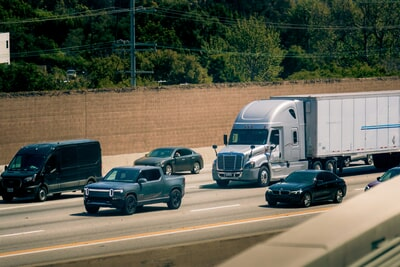
Regional driving almost regularly seems easier than long-haul trucking from an external perspective. Shorter routes, familiar areas, and frequent home time create an impression of simplicity. In reality, regional drivers work in some of the most complex and risk-heavy trucking environments. Heavy traffic, narrow streets, dense urban layouts, and constant interaction with passenger vehicles turn every shift into a continuous decision-making process.
These conditions create unique regional driving problems that require a different mindset compared to highway operations.
Most of the issues involving regional drivers do not result from weather extremes or mechanical failure. The driving mistakes especially in heavy traffic, and narrow street errors that pile up through time are the causes. These mistakes may seem trivial when viewed singly but they can lead to damaged equipment, missed deliveries, safety violations, and stress.
Such patterns reflect repeated driver mistakes in traffic rather than isolated incidents.
This article is a guide on the 10 mistakes most regional drivers make in heavy traffic and on narrow streets explains the reasons behind them and shows how regional road safety improves when these problems are solved systematically.
Together, these examples represent 10 driving mistakes that frequently affect regional operations.
1. Underestimating Heavy Traffic Complexity
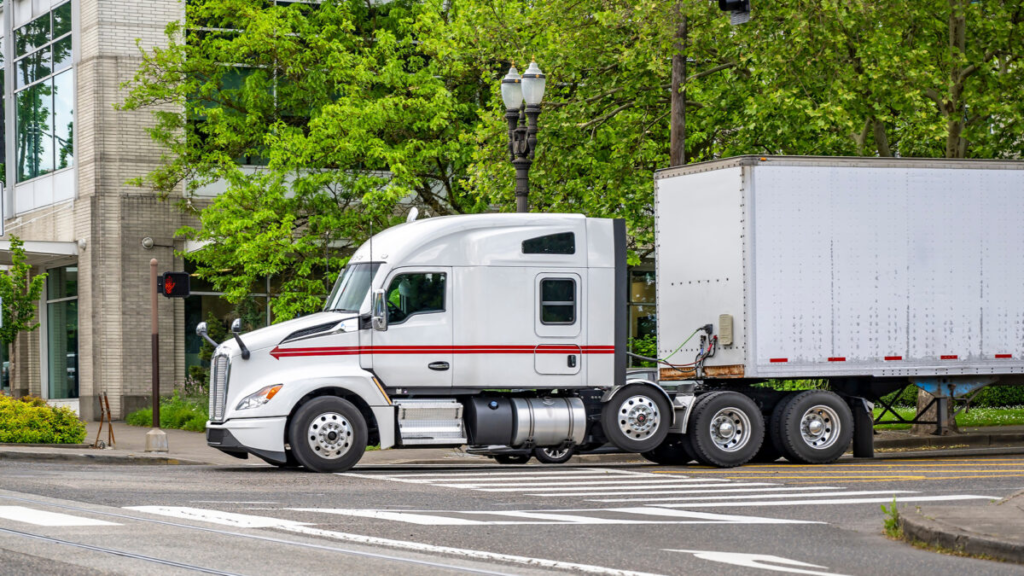
One of the major heavy traffic mistakes mostly made by regional drivers is that they only assume that the traffic jam will only slow them down. In fact, the traffic jam has a lot of effects on the drivers’ behavior, visibility, reaction time, and risk exposure. These situations highlight recurring heavy traffic problems faced by regional drivers.
In a case where drivers are surrounded by reckless driving cars, sudden lane changes, and unpredictable braking; trucks are in heavy traffic. The regional drivers who regard congestion as a waiting game rather than a risk area jeopardize their adjustment of defensive driving strategy. Short following distance, mirror checks that are delayed, and hasty decisions all add to the possibility of crashes.
Heavy traffic driving tips are always summarized by one truth: the more vehicles are involved, the higher the risk is, no matter the speed. These heavy traffic driving tips are essential for reducing collisions in urban corridors.
Learning to Drive on Narrow, CITY roads in RUSH HOUR Traffic
2. Carrying Highway Habits into Urban Streets
The main local driver’s mistakes result from the use of highway logic in the urban environment. Narrow streets, frequent intersections, and pedestrian activity require a different mindset than open roads. These are classic local driver errors that surface during regional work.
Regional drivers who still feel they are on the highway often misjudge the turning radius, curb proximity, and trailer swing. This way they get through the narrow street, hit the curb, break the mirrors, block intersections, and so on. This behavior reflects poor narrow street navigation skills.
Urban driving tips cut through to saying slow, deliberate movement is the way to go. Road awareness is on the top of the list, and forget about speed and momentum. These are foundational driver tips for city-based routes.
3. Late Decision-Making in Traffic
The other major driver mistake in traffic is making up their minds about things only at the last possible moment. In heavy traffic, indecision makes surrounding vehicles confused.
Such hesitation is one of the most common traffic mistakes in congested zones.
Late lane changes, delayed turn signals, and last-second positioning force other drivers to react unpredictably. This behavior contributes to traffic congestion mistakes and increases near-miss incidents.
Regional drivers benefit from early commitment. Clear signaling, advance positioning, and predictable movement are essential driver error prevention techniques. These habits reduce street driving errors significantly.
4. Misjudging Narrow Street Width and Clearance
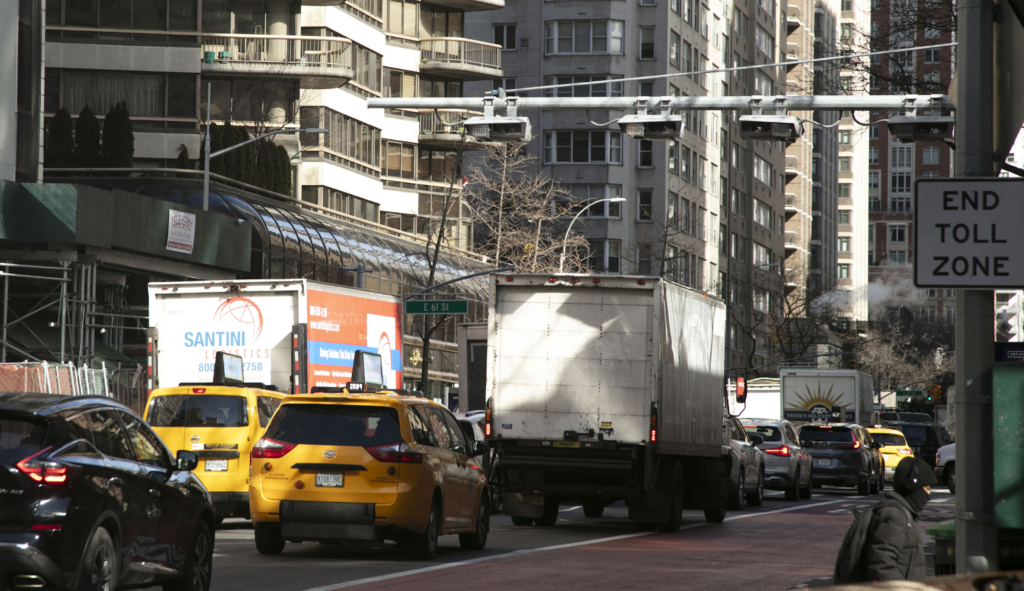
The errors in a narrow street are among the most expensive mistakes that regional drivers make. City streets seem accessible until mirrors, trailers, or rear axles are acknowledged.
This is where narrow streets driving becomes a critical skill.
Miscalculating the clearance could lead to:
- Side-swipes
- Mirror damage
- Trailer contact with parked vehicles
- Infrastructure damage
Avoiding the problem of narrow street collisions requires slow speed, frequent mirror checks, and at times, the willingness to stop and check. The right decision of not passing easily leads to a safer option such as these ones provided by professional drivers: waiting or reversing. These actions are essential for avoiding narrow street accidents.
CITY DRIVING IN A TRUCK FOR THE FIRST TIME | TIPS AND TRICKS
5. Overconfidence in Familiar Routes
Daily regional drivers often traverse identical routes. Whether it reduces mental effort or only gives rise to complacency.
Common regional driving mistakes include not performing mirror scans, presuming that traffic patterns will remain unchanged, and forgetting about temporary changes such as road construction or new parking areas. These patterns are examples of common regional driving fails.
Overconfidence is a deadly mistake that can corrode regional road safety. It is important to note that one should treat every road as being in a dynamic state regardless of the familiarity of the route.
6. Poor Speed Control in Stop-and-Go Traffic
The heavy traffic driving style is one that punishes inconsistent speed capability. Speed control is a major issue with driving in heavy traffic. Rapid acceleration followed quickly by hard braking not only increases fuel consumption and brake wear but also increases the likelihood of collision. These conditions amplify heavy traffic problems across urban routes.
Many times in heavy traffic, drivers try to push through the congestion. That is the cause of tailgating, sawtooth lane changes, and slower reaction times.
One of the driving tips that are effective in heavy traffic is smooth and steady movement. Having a buffer space sometimes protects equipment while also avoiding maintenance issues with scheduled delays. These are practical regional driver tips for daily operations.
7. Ignoring Trailer Behavior on Tight Turns
Driving on narrow streets the trailer does not follow the tractor’s path. The off-tracking behavior is more pronounced around the tight urban corners. This challenge is common on tricky streets found in city centers.
Street driving errors that are caused by the driver only looking at the cab ignoring trailer movement are significant. This error causes curbs to strike, signs to be damaged, and the street to be blocked.
The experienced drivers in the region shift trailer axles often to monitoring them while steering early. Tricky streets require entire vehicle focus, not just the road ahead.
8. Inadequate Communication with Other Road Users
Driving in an area with passenger cars, cyclists, and pedestrians means constant interaction. Having no communication of the intention to act commonly leads to misunderstanding.
Signals, wrong positioning, and erratic movement are major traffic mistakes in the urban sector. The situation that other road users often miscalculate truck speed and space hallucinations makes it worse. These breakdowns increase driver mistakes in traffic.
The right approach for regional drivers to reduce conflict and stress during their driving is the use of clear signals, leaving deletes, and movement that is predictable.
9. Forcing Progress Instead of Managing Space
An unfavorable regional driving problem is the tendency to go past all limitations. In a congested street and on narrow roads, control should never be sacrificed in favor of progress.
This behavior is a core regional driving problem.
Making a turn in a forceful way, squeezing through barriers, or riding into already congested intersections will only create more problems. Such mistakes are classic accumulators of minor issues into major disruptions.
Space management should come before speed in the case of pro regional drivers. Sometimes stopping is just the safest way to move.
10. Failing to Adjust Mental Pace
Driving on high traffic and in the urban areas require a slow mental rhythm. The drivers who think quickly end up making bad decisions, even when the vehicles are moving slowly.
Factors like stress, impatience, and time pressures enhance the effect of the most common driving errors. The result is missing mirrors, late braking, and tunnel vision increases.
The effective prevention of driver error starts with the mindset. Regional drivers are who, realizing that a slower pace is sometimes preferable, keep a better mind, are more relaxed, and, above all, are safer.
Why These Mistakes Are So Common in Regional Driving
Regional operations comprise the most difficult aspects of trucking: congestion, tight spaces, repeated stops, and continuous time pressure. In contrast to the highway driving, in this case, there are no long recoveries between the decisions.
Heavy traffic mistakes and narrow street errors do not often occur due to a lack of skill. Instead, they are the outcomes of cognitive overload and incorrect prioritization. The first step in the right direction is to identify these patterns and take action.
Common Regional Driving Mistakes and Their Impact
| Mistake Category | Typical Outcome | Operational Impact |
| Heavy traffic mistakes | Near-miss incidents | Increased collision risk |
| Narrow street errors | Vehicle and mirror damage | Higher repair costs |
| Late decision-making | Traffic disruption | Schedule delays |
| Overconfidence | Missed hazards | Safety violations |
| Poor speed control | Brake and tire wear | Maintenance escalation |
Practical Urban Driving Tips for Regional Drivers
Improving the performance in a situation characterized by heavy traffic and narrow streets, does not call for drastic measures. What is required is perseverance and discipline.
These are practical driver tips that apply daily.
The essential urban driving tips include:
- Reducing decision-making time, not just vehicle speed
- Turning at far-in-advance
- Keeping constant mirror awareness
- Respecting the (space & schedule) over the (schedule & space)
- Not making anytime an unscheduled stop
These principles support the regional road safety and at the same time career longevity.
Preventive Actions for Heavy Traffic and Narrow Streets
| Driving Situation | Preventive Action | Safety Benefit |
| Heavy traffic congestion | Maintain buffer space | Reduced collision risk |
| Narrow street turns | Slow speed and early setup | Avoid curb and trailer strikes |
| Urban intersections | Early signaling | Predictable movement |
| Stop-and-go traffic | Smooth acceleration | Lower wear and stress |
| Tricky streets | Pause and reassess | Prevent forced errors |
The Cost of Repeated Small Errors
As any one of these driver errors separately may seem negligible. These costs, accumulated, result in increased maintenance, insurance claims, customer complaints, and burnout of drivers.
Regional drivers that get rid of these bad habits first are straight lovers of equipment, their good name, and potential to earn more.
Conclusion: Precision Beats Speed in Regional Driving
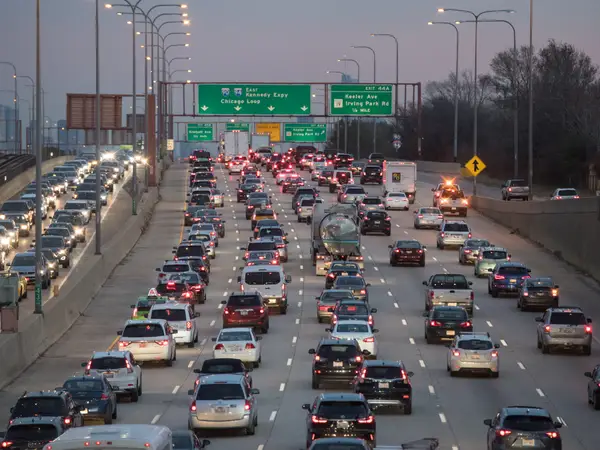
Regional driving is more about your precise management of space, timing, and the way you communicate with others rather than speed alone. It is not only about going through traffic in a fast way but about going through it the right way.
The 10 mentioned mistakes are common but they can be prevented. Regional drivers can avoid heavy traffic and navigate narrow streets safely and successfully through their alertness, practice, and discipline, which all are obviously unavoidable.
In regional operations, safety is not imposed through force. It is laid down via power, patience, and environmental respect. When drivers unlock these principles, they get lower stress, accident avoidance, and long-term profitability in the one truck driving sector with the highest demands.