

The pressure for most dispatchers to perform is more than ever when a storm comes in. Freight is totally booked, delivery windows are way too tight, the drivers are half on the road, and the customers have been promised deliveries of their goods. A typical instinct is to just get through it — adjust slightly, slow down a bit, but keep the freight rolling. This feels like being productive, but it actually is one of the fastest ways to pair safety with profitability going in the opposite.
At such times, the dispatcher is not simply the one who has got the load to deal with but literally the one who is dealing with logistics in heavy weather conditions. The dispatcher on every decision depends, manages transportation, and fleet exposure. In such conditions, the dispatching plan should be seen as moldable, not immutable.
Trucking logistics isn’t just about the generosity of big storms; it’s a frequent operational parameter. Blizzard, sinking rain, high winds, flash floods, and hurricanes aren’t rare disruptors; instead, they are risks we can expect. A dispatcher who is trained in this reality knows that having a storm preparedness plan and a weather plan are the first things that a professional dispatcher would do.
The core principle is simple yet is very often misunderstood: A safer plan is, in fact, a more profitable plan in most instances. Safer routing, controlled timing, and disciplined dispatching strategy decrease loss events and stabilize margins over time.
How Are Storm Conditions Different in the Economics of Dispatching
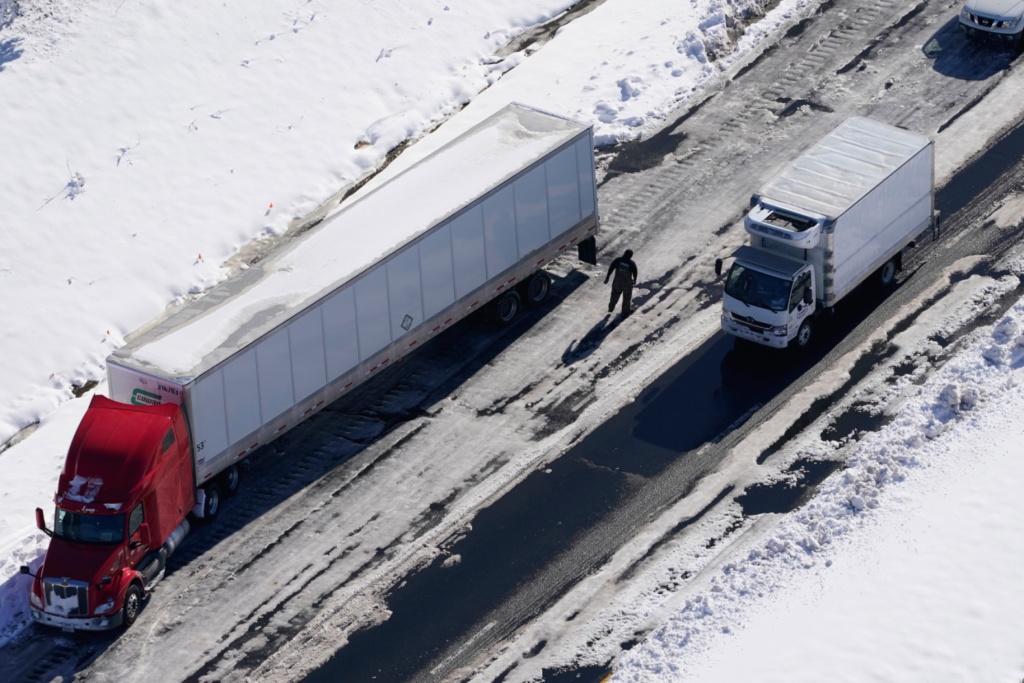
Usually, dispatching is primarily focused on efficiency, the shortest route, and the tightest schedule during decent weather, but then, in a state of a storm, those same priorities become liabilities. Road friction rises, stopping distances grow, and traffic behavior becomes unpredictable.
In a logistics sense, storms substantially increase dangers and the operations of planning during hazardous weather change from speed-based optimization to risk-based planning, which are dispatcher decisions concerned with safety thresholds and are not delivery pressure.
One breakdown or accident can trigger a chain of multiple costs, including:
- cargo damage
- missed appointments
- detention
- insurance exposure
- FMCSA scrutiny
Here is when the responsibility of the dispatcher managing risk becomes a major issue and is no longer a side concern.
Dealing with major snow storms as dispatcher!
Dispatch Priorities — Normal Conditions vs Storm Conditions
| Dispatch Factor | Normal Conditions | Storm Conditions |
| Route choice | Shortest / fastest | Safest / most predictable |
| ETA strategy | Tight delivery windows | Flexible, safety-based |
| Risk tolerance | Higher | Minimal |
| Dispatcher focus | Efficiency | Risk management |
The Dispatcher’s Fleet Safety Role During a Storm
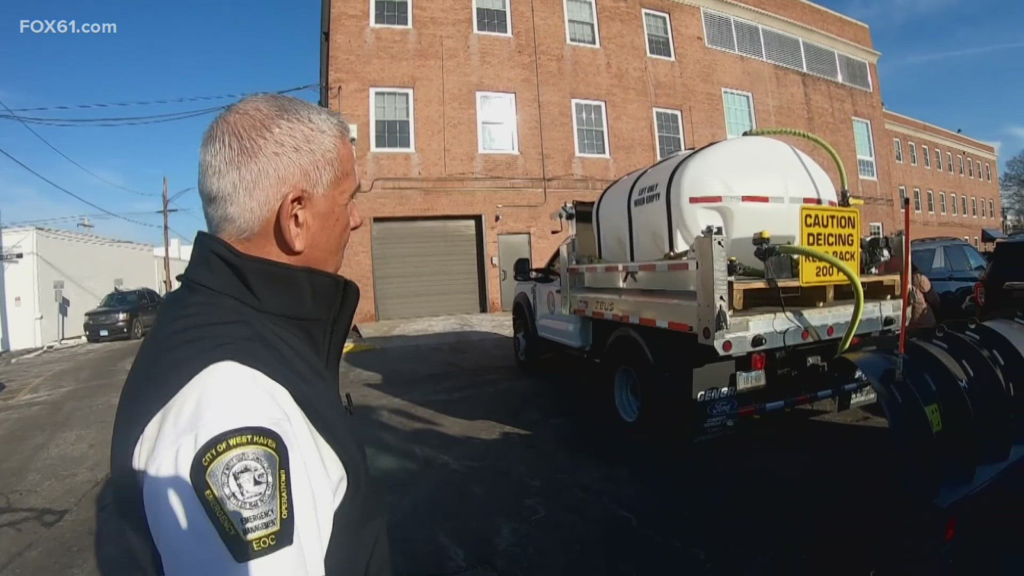
The dispatcher does not solely perform load coordination. The dispatcher actually takes the role of the major risk controller of the fleet during the time of the weather hazard. Each and every decision made at the desk has a direct impact on fleet safety, driver safety, and trucking safety compliance.
Fleet safety during storms is achieved through concrete actions, including:
- reworking the dispatch plan
- holding freight when necessary
- rerouting trucks away from high-risk zones
A dispatcher who practices a safety-first dispatching strategy throughout the year is above the profit-margins gainer because the profit is made by the driver and equipment protection, not by pushing them beyond a safe operation limit.
Step One: Rework the Dispatch Plan — Don’t Patch It
The first shift that a dispatcher should make during a storm is to destroy the idea of the old dispatch plan still being valid. The unpredictable weather takes away the assumptions about driving speeds, road access, and driver capacity.
A reworked plan is a plan which is actively adjusted routes, ETAs, and stop locations. Reworking a dispatch plan is storm-time emergency planning, not a sign of lack of preparation.
Route optimization during storms is not just about distance anymore; it is about predictability and access to safe stopping places. A longer route with plowed roads is a great example of this.
Dispatch rerouted me due to Winter Storm!! Estes Express Line Haul Driver
Route Optimization Under Severe Weather Conditions
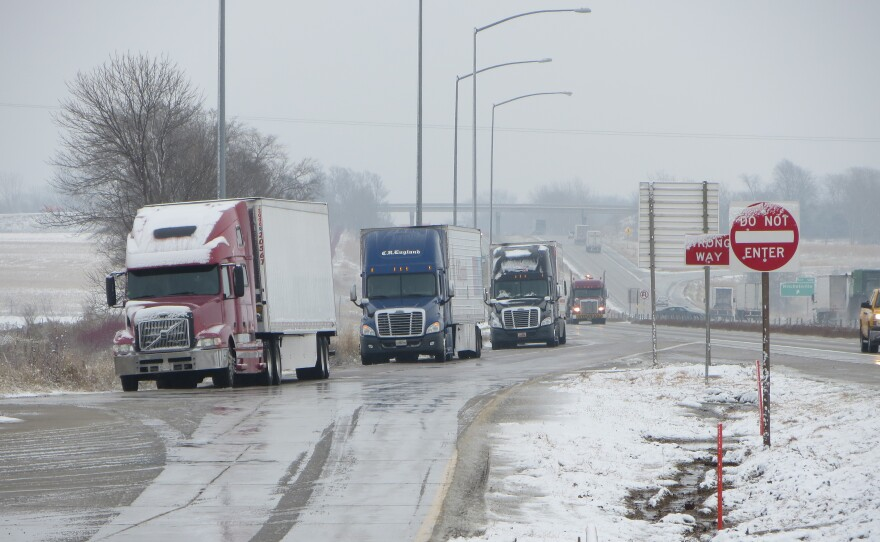
During heavy storms, the route optimization should not only focus on the speed but also on stability. This includes avoiding mountain passes in snow events, rerouting around flood-prone highways, and minimizing exposure to high-wind corridors.
A freight dispatcher must combine navigation data with a severe weather plan, using DOT updates, road closures, and real-time weather tools. GPS alone is not sufficient for storm dispatching.
The reduction of accident risk and downtime through route decisions not only enhances profitability but also helps in preventing insurance claims, cargo loss, and lengthy shutdowns.
Reworking Timing: Why Slower Schedules Protect Revenue
One of the hardest adjustments for dispatchers is to loosen delivery windows. Storms destroy the tightly knit schedules, and pushing the trucks to maintain tight pace only creates extra exposure.
Reworking a dispatch plan routes the need for adjusting expectations and communicating delays for keeping it transparent. Emergency planning during the storm is accepting a longer period of time in order to protect long-term transportation elbow room.
Slower schedules not only reduce accident risks but also allow the drivers to better utilize their decision-making capacity, which altogether creates the higher probability of dispatching success.
Driver Safety Is the Core Profit Variable
The safety of drivers is not simply a box to be checked off; it is a multiplier for profits. When drivers get injured or are forced into unsafe environments, it causes losses, not revenue.
Storms are the times when drivers have to get the active support from the dispatcher to shut down, divert, or stop earlier. The driver decisions taken against severe weather conditions know consequences on the fleet.
A dispatcher who gives priority to driver safety builds trust, retention, and operational stability — all the elements that a dispatcher must have in order to be successful.
A day in the life of a dispatcher #45 – Snowing and cold
Emergency Planning and Controlled Shutdowns
Emergency planning is the backbone of effective storm dispatching. Not all loads should move at some given times. Some trucks must pause operation until the weather is back to what it was.
Planned shutdowns are part of a professional severe weather plan. They help reduce the amount of accidents, protect the freight, and prevent costly, unpredictable breakdowns.
From a logistics point of view, controlled shutdowns often maintain more revenue than forced-move shipments.
Controlled Shutdown vs Forced Movement During Storms
| Factor | Controlled Shutdown | Forced Movement |
| Accident risk | Low | High |
| Equipment damage | Minimal | Elevated |
| Insurance exposure | Controlled | Increased |
| Long-term profitability | Preserved | Eroded |
Communication: The Dispatcher’s Most Powerful Tool
In addition to routing, communication during storms becomes a priority. Drivers need clarity but not pressure. Customers need transparency without unrealistic promises.
A freight dispatcher who communicates at early stages is the one to demonstrate control and professionalism. Accurate communication fosters the transportation chain risk management and guarantees stronger relationships between shippers.
Managing Risk Instead of Chasing Short-Term Revenue
Many dispatchers are concerned that by slowing down or keeping loads stationary, they will be at a loss. But paradoxically, it is during the storms that the risks associated with revenues actually manifest themselves.
Through smart dispatching strategies, managing risk often leads to accidents, insurance cost hikes, and lost contracts — all of which will lower the long-term profitability.
Profitable Dispatching Is Long-Term Thinking
Profitable dispatching in the stormy season is not about running more miles. It is about stability, safety, and continuity.
Dispatchers who take care of fleet safety during severe weather protect freight, drivers, and capital — which are the real sources of profitability.
Final Thoughts: Why “Safer = More Profitable” Becomes an Operating Rule
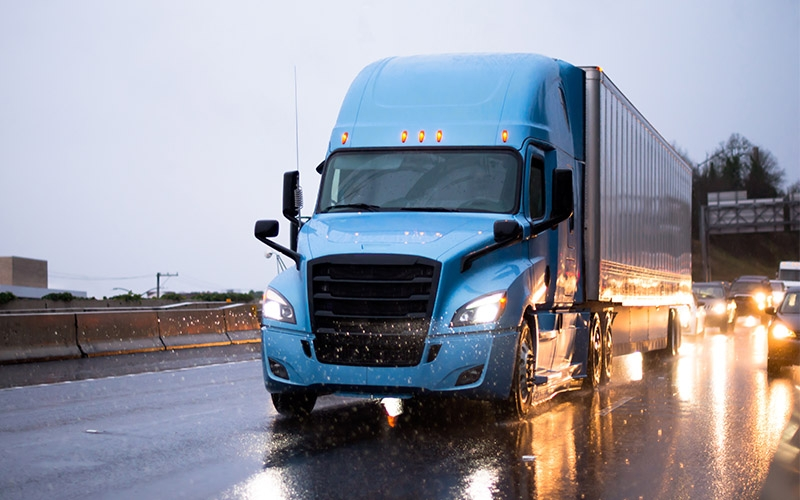
A dispatcher during a storm is not the one to push freight delivery but the one who adapts the plan intelligently. Reworking of a dispatch plan under conditions of severe weather is a manifestation of competence, not weakness.
In trucking logistics, the safest decision during a storm is often the most profitable one — just not immediately. Consistent, disciplined storm dispatching inevitably prevails.
FAQ
1. In the middle of a storm, why does a dispatcher feel the necessity of reworking the original plan as opposed to following it as it is?
Due to the storm conditions, the original assumptions underlying the dispatch plan are no longer valid. Accessibility of roads, driving speeds, and the options of stopping change very quickly, rendering the initial schedule unreliable. A reorganized dispatching plan is the way for the dispatcher to change routes and timing in real time while at the same time lower the risk of incidents and avoid high costs that direct dispatching might cause.
A structured rework plan allows the dispatcher to respond methodically instead of reacting emotionally under pressure.
2. In what way does the change in the dispatching approach to a more secure method benefit during severe weather?
The approach that is safer has fewer accidents and equipment damage, and it cuts off insurance claims along with downtime that is not planned ahead. It may be the case that you lose some money in the short term, but this will pay off in the long term. In storm conditions, safer profitable decisions defeat aggressive scheduling when operational expenses are considered.
3. What is the contribution of storm preparation to dispatch decision-making?
Storm preparation avails dispatchers with already established threshold limits and responses before things go really bad. A predefined weather plan speeds up decisions, avoids panic-induced mistakes, and keeps profitable dispatching strategies consistent under pressure.
4. Is reworking routes and schedules during a storm a real way to maximize profit?
Certainly. During snowstorms, maximizing profit is not running more miles, but avoiding the losses with the highest impact. Changing routes and schedules reduces accident risk, detention penalties, and insurance cost increases, preserving net margins during instability.