
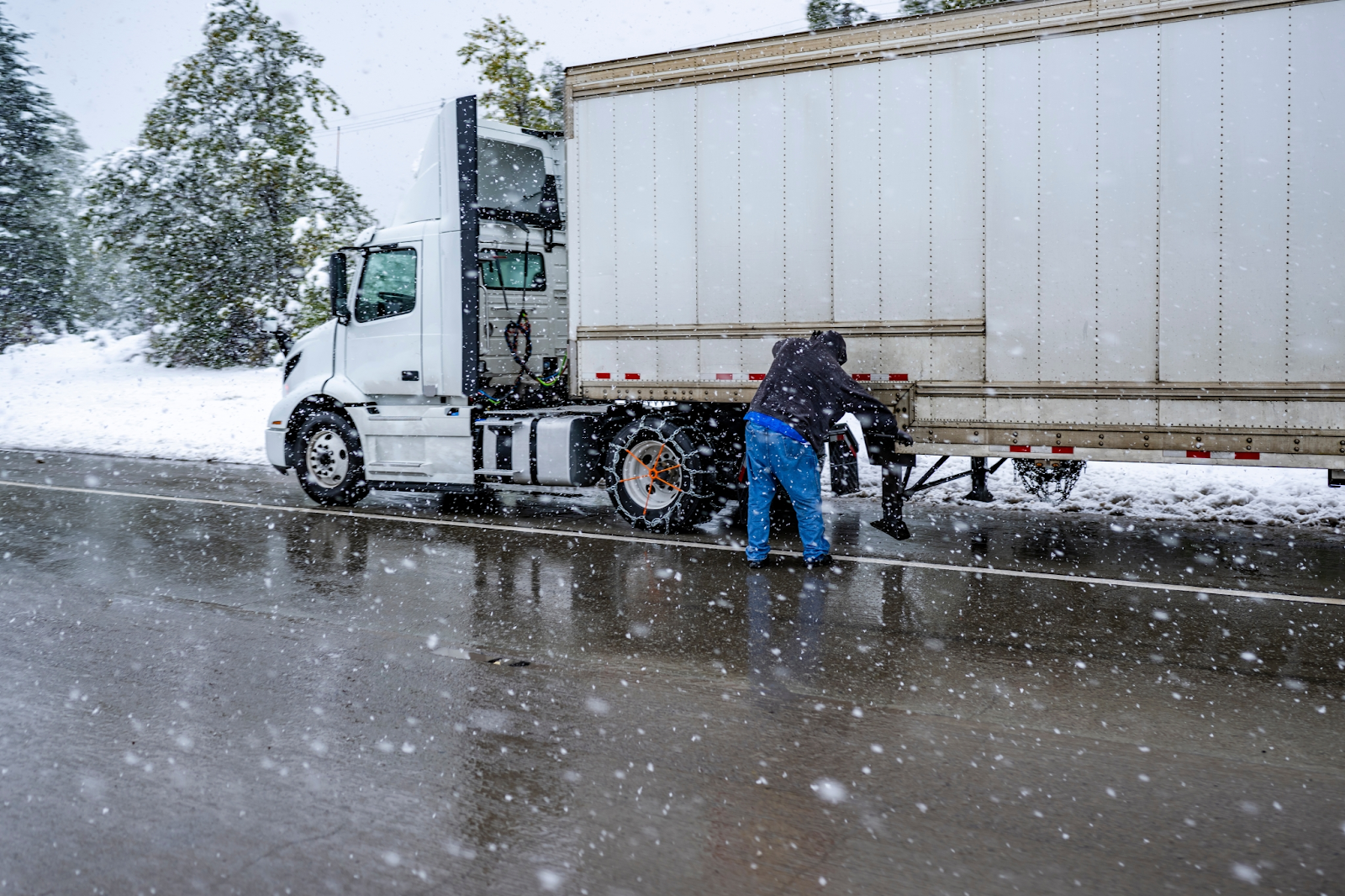
Winter driving is a real challenge for truck drivers. Snow, ice, and cold winds, visibility at times, and deteriorating road conditions can turn a normal trip into a high-risk operation. Each season, winter storms lead to delays, breakdowns, drivers stuck in the middle of nowhere, and preventable accidents, which are many, and could be avoided if the right preparations were made and followed strictly.
Understanding winter storms safety is a core responsibility for professional drivers operating in winter weather.
Winter safety for truck drivers goes beyond bringing the vehicle to a safe stop. It encompasses properly putting in place a safety checklist before departure, and promissory observance of the safety tips after stopping. Different from cars that are subjected to shorter routes, lesser load, and lesser time in the extreme environment, trucks have a higher risk of exposure. A truck driver’s winter breakdown is not simply a matter of being uncomfortable — it can quickly escalate to a life-threatening situation.
This makes winter driving tips essential knowledge rather than optional advice.
The article walks you through the ultimate winter safety checklist that is contextually designed for truck driving only. It comprises both the preparatory actions to be taken before the departure and the do’s and don’ts after stopping, as well as the way to safeguard the drivers and the vehicles during the winter trip.
Each section reflects practical driving tips tested in real winter weather conditions.
Why Winter Safety Needs a Checklist, Not Memory
Driver’s experience and handling of the vehicle is not always the cause of winter mishaps. Frequently they just trust their minds and memories without structured logical orders. Cold weather is the reason why it is less tolerant to the misunderstandings that occur. A drop in tire pressure, fuel gelling, depleted batteries, and over heating equipment occur.
Winter weather exposes weaknesses quickly when preparation is inconsistent.
With a checklist, nothing is left to guesswork. By ensuring vehicle safety, the driver is also protected from harsh weather and the risk of being stranded during snowstorms is minimized. Trucking is a field where consistency is the most powerful form of prevention.
Winter storms safety depends on discipline, not confidence.
Winter Safety Checklist Before Departure
The most critical step for winter driving is pre-departure preparation. The truck has to be prepped, otherwise, it won’t be of much help.
Winter Driving Safety: Introduction
Preparing vehicle systems correctly before departure sets the foundation for safe winter travel.
Pre-Departure Winter Safety Checklist
| Check Area | What to Verify | Why It Matters in Winter |
| Fluids | Winter-rated oil, coolant, washer fluid | Prevent freezing and engine damage |
| Tires | Cold tire pressure, tread depth | Maintain traction on snow and ice |
| Brakes & Air Lines | No moisture or ice buildup | Avoid brake freeze and air loss |
| Fuel Level | Tank kept well above minimum | Prevent fuel gelling and heater failure |
| Battery & Electrical | Battery voltage, cables, alternator | Cold reduces battery performance |
| Heating Systems | Cab & sleeper heater working | Protect driver from cold exposure |
| Emergency Kit | Supplies onboard | Survival during winter breakdown |
Vehicle Inspection and Winterization
Prior to departure, the truck cab and body should be winterized. According to the National Highway Traffic Safety Administration (NHTSA), preparing your vehicle before winter weather — including checking tire pressure, battery condition, fluids, lights and wipers — significantly improves safety and reduces the risk of winter weather–related crashes. nhtsa.gov One of the first things to do is to check fluids that are meant for cold weather. Engine oil, coolant, and windshield washer fluid should be rated for freezing temperatures. Error here often leads to a situation where you find yourself miles away from help and literally outside of winter.
Proper winterization reduces mechanical failures caused by extreme winter weather.
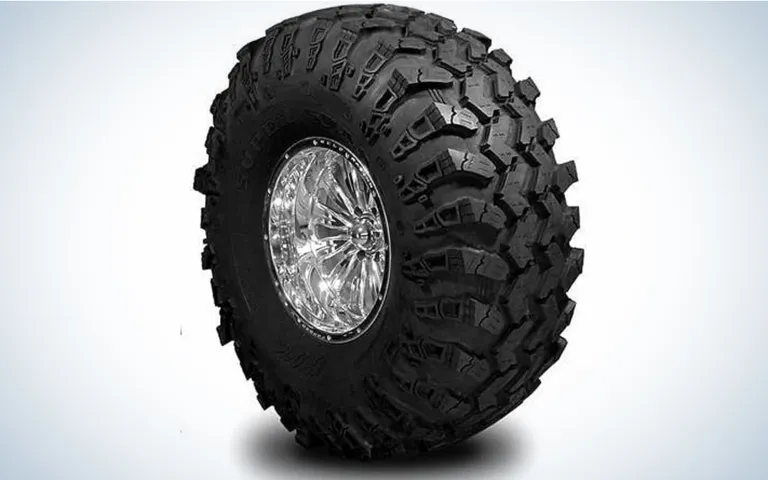
Tire condition is key. Tire air pressure decreases sharply in cold conditions leading to less traction and longer stopping distance. Tires have to be checked when cold, i.e., not after long driving. Overused tires are particularly risky in snow and ice.
Brakes must be checked for ice and for functionality. Air lines and valves should be free of water to avoid freezing.
These checks are essential winter driving tips for preventing loss of control.
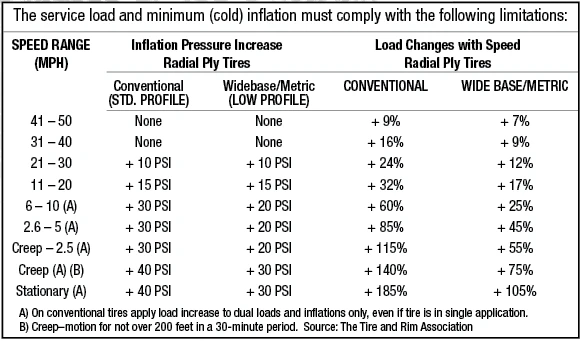
Fuel and Engine Protection
During the winter months, the phenomenon of a partially filled gas tank or diesel tank often goes unnoticed by many drivers. A low tank increases the possibility of fuel getting gelled and condensation forming. But, for truck drivers, fuel is like life — it is the one that drives the heating equipment when the truck is stalled.
Drivers should always maintain gas tank levels well above minimum during winter weather.
Using anti-gel additives is required when, especially winter storms hit or traveling through areas with extreme cold weather.
This practice is a key part of preparing vehicle systems for winter storms safety.
Battery, Electrical, and Heating Systems
Low temperatures have a devastating effect on battery function. A healthy battery in autumn can die in a blink of an eye during winter. Pre-destination checks must include battery voltage, cable condition, and alternator output.
Heating equipment must be in functioning condition. Cab heaters, defrosters, and sleeper heating systems are necessary for not only for comfort but also for preventing carbon monoxide risks caused by improper ventilation or faulty exhaust systems.
Reliable heating is a core requirement for safe winter driving tips.
Emergency Kit and Winter Supplies
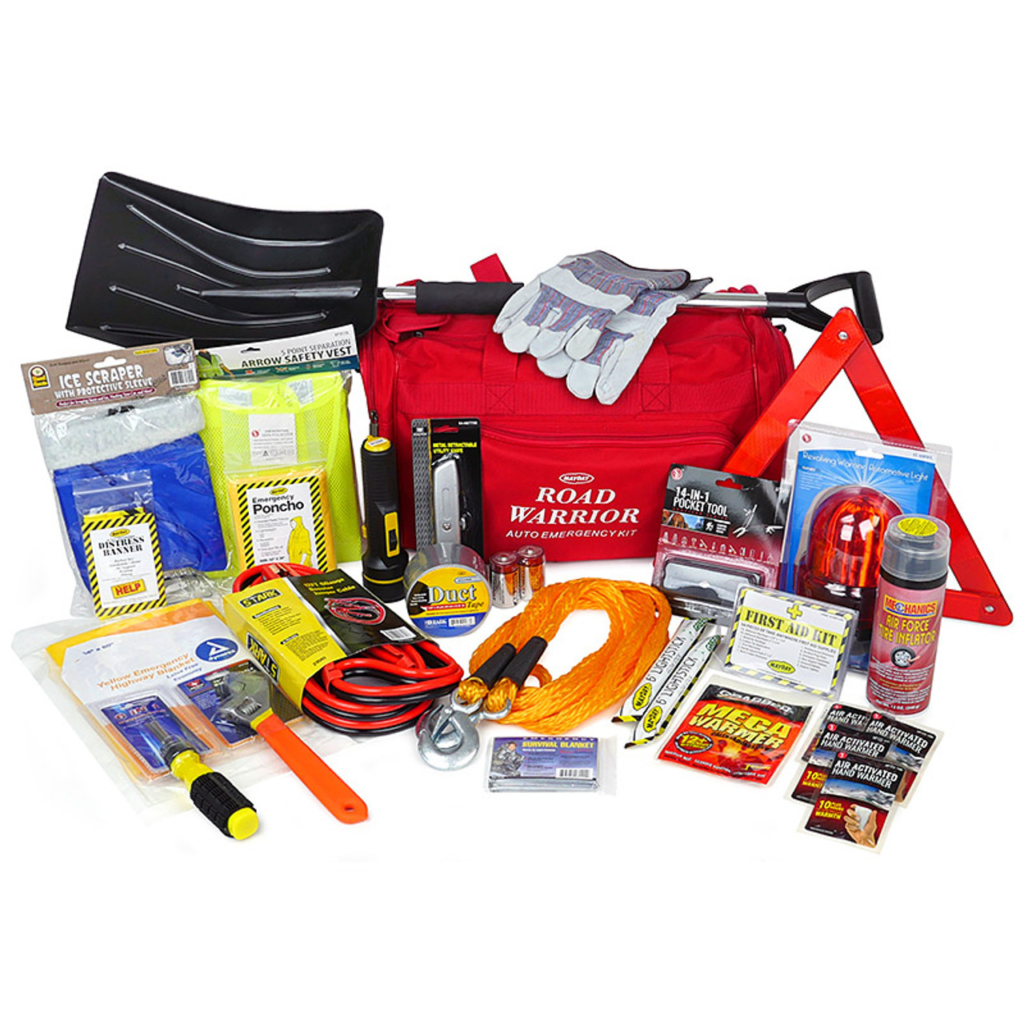
Every truck has to carry a winter emergency kit. Not having this is a definite no when traveling in winter.
Emergency supplies are part of basic winter storms safety planning.
A complete car kit or the truck emergency kit should have:
- Extra clothing and thermal layers
- Insulated gloves and hats
- Blankets or sleeping bags
- Flashlight with spare batteries
- Food and water supplies
- Ice scraper and snow brush
- First-aid supplies
- Reflective triangles or flares
Emergency supplies are what make the difference between an uncomfortable delay and a hazardous circumstance.These items support survival during severe winter weather.
Route and Road Condition Planning
Right before departure, drivers have to go through the route and weather forecasts for any changes in road safety. Winter storms may change quickly. Knowing where snow, ice, or closures are expected allows drivers to plan for refueling, resting, and stopping at safe zones.
Monitoring winter weather updates is one of the most important winter driving tips.
On the other hand, pre-departure planning should also include the locations where assistance can be called if required.
Winter Driving Tips During the Trip
Even with perfect preparation, winter driving requires adaptation.
Winter driving tips must be applied continuously, not only before departure.
Speed must be adjusted to conditions, not schedules. Snow and ice reduce traction even on treated roads. Defensive driving becomes essential, especially in traffic near urban areas or mountain passes.
Increased following distance surveillance will be necessary. Braking on winter roads will demand patience and prediction.
Tire pressure, fuel levels, and engine temperature should be monitored constantly during the winter travel.
16 essential truck driver winter weather safety tips
These driving tips help detect problems before they escalate.
Winter Driving Monitoring Checklist
| Item to Monitor | What to Watch | Risk If Ignored |
| Road Conditions | Ice, packed snow, visibility | Loss of control |
| Speed | Adjusted to conditions | Extended stopping distance |
| Following Distance | Increased gap | Rear-end collisions |
| Tire Pressure | Drops during cold | Reduced grip |
| Fuel Level | Continuous monitoring | Stranding, fuel gelling |
| Engine Temperature | Stable range | Mechanical failure |
Safety Checklist After Stopping
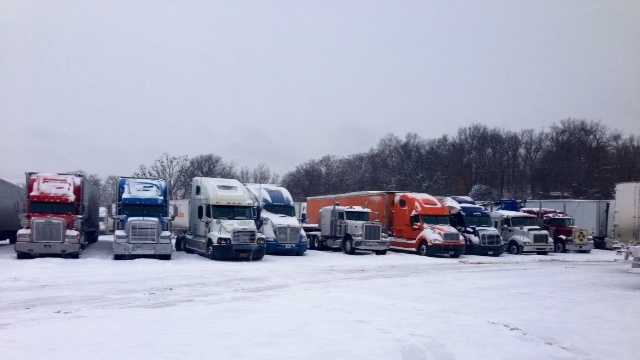
Stopping during winter is not the end of risk — it often increases it. During times when they stop for rest, loading or facing times of bad weather, drivers are expected to adhere to a structured after-stopping checklist.
Cold exposure increases rapidly after stopping in winter weather.
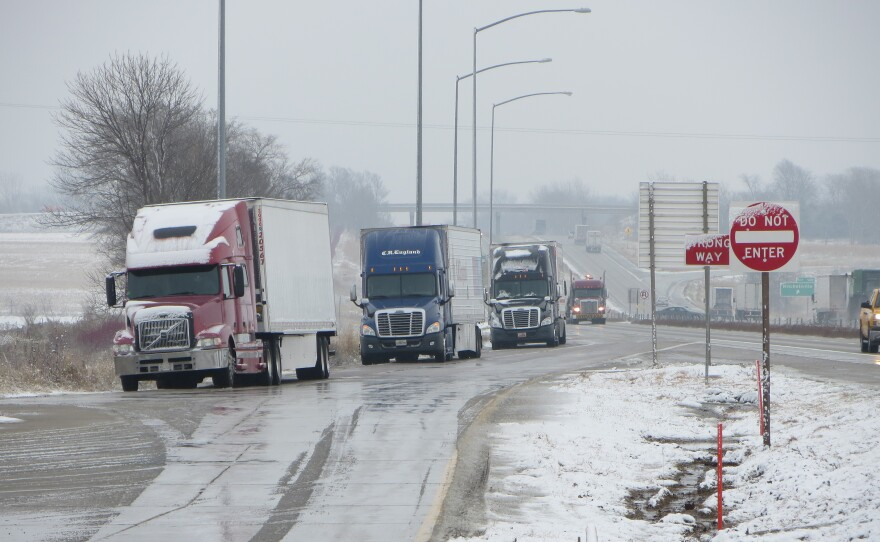
After-Stopping Winter Safety Checklist
| Area | Action Required | Safety Purpose |
| Parking Location | Visible, low-drift area | Avoid snow buildup |
| Brakes | Set carefully per conditions | Prevent freezing |
| Wheel Wells & Air Lines | Remove snow and ice | Prevent restart failure |
| Fuel Level | Maintain adequate supply | Keep heating operational |
| Exhaust Area | Clear of snow | Prevent carbon monoxide |
| Cab Ventilation | Maintain airflow | CO safety |
| Personal Safety | Limit cold exposure | Prevent hypothermia |
Securing the Vehicle
After stopping, place the truck in a visible, safe spot to be parked whenever possible. To some extent, this will help in avoiding blown areas with drifting snow or poor visibility.
Brakes should be pushed in carefully to avoid freezing. Drivers should be guided on brake usage if there is extreme cold, and if not, by company guidelines.
Correct parking procedures are critical winter driving tips.
Preventing Freeze-Related Issues
After stopping, the drivers are to inspect the wheel wells, brakes, and air lines for any snow and ice. Frozen parts can lead to dangerous failures when restarting.
Engine block heaters should be plugged in when accessible. Starting a cold engine is one of the most common causes of winter mechanical damage.
These steps support long-term vehicle safety during winter weather.
Managing Heating Equipment and Carbon Monoxide Safety
Drivers must handle heating equipment systematically. For example, exhaust outlets cannot be blocked with snow or ice. Carbon monoxide accumulation is another silent winter danger which is especially acute during long stops.
Carbon monoxide awareness is part of winter storms safety.Cab ventilation must be maintained, even in the worst of the weather.
Fuel and Battery Protection While Stopped
Fuel supplies must be kept under tight control. The occurrence of a fuel gelling issue, loss of heater function, and the overall risk during extended stops low on fuel all revolve around this.
Drivers should continue to maintain gas tank levels even while parked.
Battery draw from heaters, lights, and electronics must be managed carefully. A drained battery during winter conditions can leave a driver stranded.
Personal Safety During Winter Stops
Drivers need to keep the extra time in the cold elements to a minimum. Frostbite and hypothermia being risks during winter breakdowns or prolonged outdoor inspections.
Layers of clothing and proper dressing are the first steps to securing safety. Provisions made for the owner’s health on the journey not only protect the driver but also the vehicle, which is one of the primary objectives.
These personal safety measures complement all winter driving tips.
What to Do If You Become Stranded
Despite good preparation, bad things can still happen. If you are stranded, the first thing is keeping alive and visible.
Stranded situations are more dangerous during winter storms safety scenarios.
Drivers should stay with the vehicle as long as safety issues don’t demand them to do otherwise. They should be strategic with the emergency supplies. The truck provides shelter, visibility, and heating if fuel allows.
As soon as possible emergency services or dispatch should be called. Markers should be placed where needed for enhancing visibility during snow or low light conditions.
Common Winter Mistakes Truck Drivers Make
One mistake is skipping the emergency kit. The second one is believing that “short trips” do not require full preparation.
Many drivers underestimate how quickly conditions change during winter storms. Other drivers did not refuel early or just did not listen to their vehicles’ warnings.
Ignoring early warning signs during winter weather leads to breakdowns. Winter safety is not compromised due to the absence of skills but because of overconfidence.
Why Discipline Matters More Than Experience
Even the most skilled drivers are not free from winter risks. For familiarity, however, it can lead to shortcuts. A checklist for winter safety promotes discipline. It makes sure that each trip starts and ends with a proper checkup, irrespective of the experience.
Consistency is the strongest winter driving strategy. The best strategy for truck drivers in maintaining safety in winter is consistency.
Conclusion: Winter Safety Is a Process, Not a Moment
Winter safe driving does not start when the snow falls — it begins before you leave. It’s not done when the truck comes to a stop — it continues with every break, check-up, and restart.
By adhering to a structured safety checklist before departure and after stopping, truck drivers minimize risk, shield their vehicles, and take care of their own well-being.
Preparation and discipline define safe winter driving.
Winter driving is all about preparation, respect for conditions and being patient. If these principles are followed, winter travel is manageable instead of dangerous.