
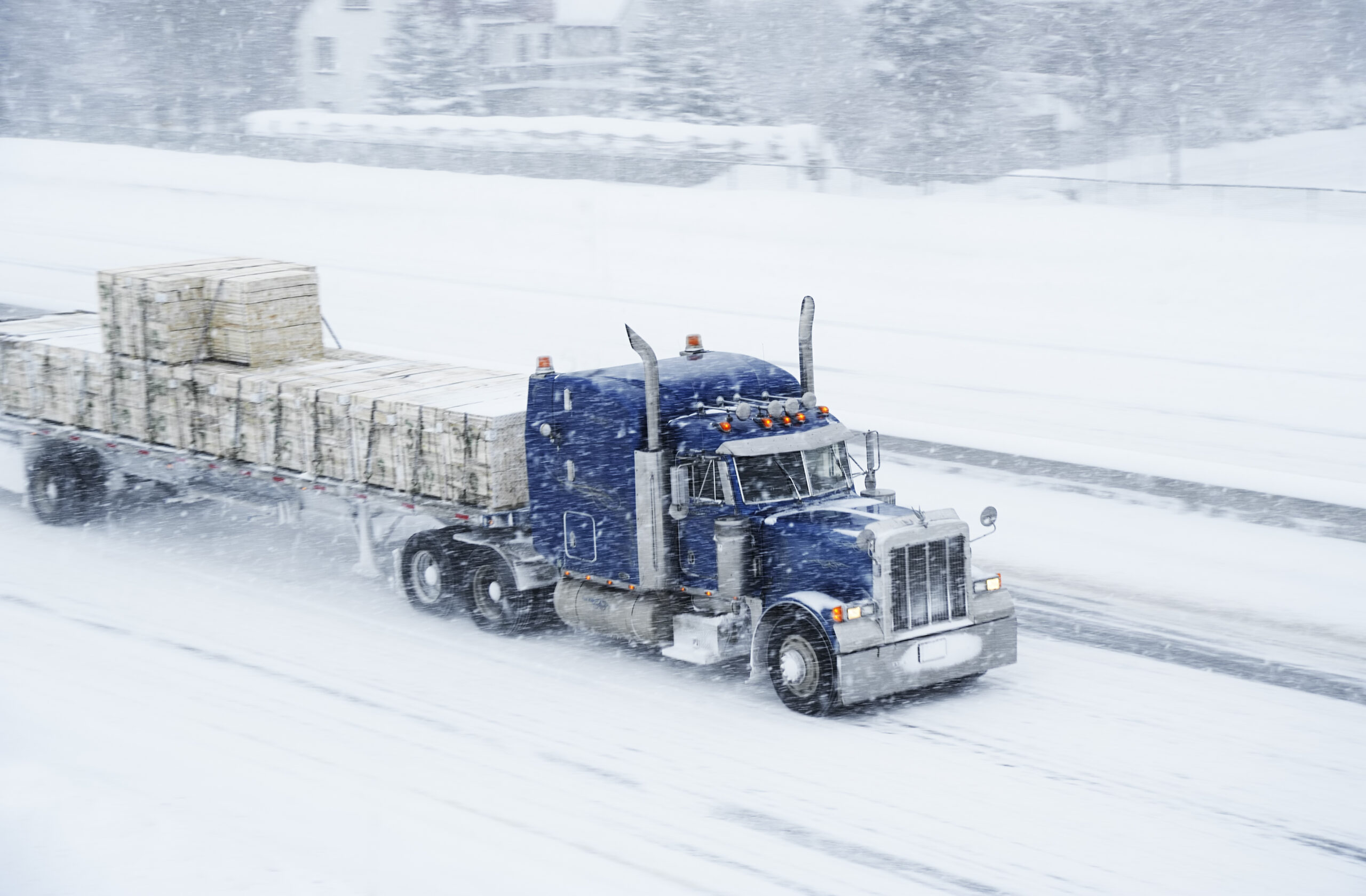
Driving a semi-truck during winter months requires special skills, preparation, and the right equipment. Snow, ice, freezing temperatures, and poor visibility create serious risks that can lead to accidents or breakdowns if a driver is not properly prepared. Unlike passenger cars, trucks are much heavier and longer, which means they need more time and space to stop and maneuver safely on slippery roads.
The key to safe winter trucking is understanding that conditions are completely different from summer driving. Many incidents happen because drivers maintain their usual speed and habits. Professional drivers know that in winter it is always better to arrive late than to risk an accident.
Preparing Your Truck for Winter Conditions
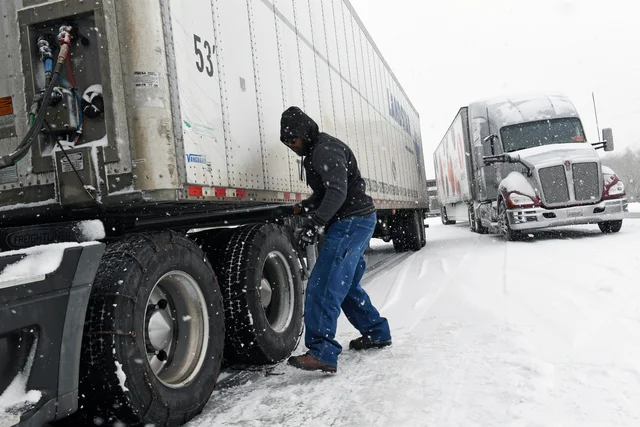
Before starting a trip in cold weather, your vehicle must be thoroughly inspected. Tires are the most important factor for safety. Check that all tires have sufficient tread depth and correct air pressure. In winter it is recommended to use tires designed for cold weather on the drive axles. Inspect the brake system, especially air brakes, because low temperatures can affect their performance. Make sure all fluids are at the proper level, including engine coolant and winter windshield washer fluid with de-icer.
Pay close attention to the battery and electrical system. Cold weather reduces battery power significantly, and a dead battery in a remote area can quickly turn into an emergency. Before leaving, completely remove snow and ice from the truck, including the roof, mirrors, lights, and windows. Snow falling from a moving truck creates a hazard for other drivers and can result in fines in many states.
Safe Driving Techniques in Snow and Ice
When driving on snow or ice, the most important rule is to reduce your speed and increase following distance. Many experienced truck drivers double the normal following distance in winter conditions. Acceleration and braking must be done smoothly and gradually. Sudden movements can cause the truck to skid or jackknife, especially when pulling a trailer.
Black ice is one of the biggest hidden dangers on winter roads. It often forms on bridges, overpasses, and in shaded areas. If you feel the truck losing traction, do not slam on the brakes. Instead, take your foot off the accelerator and steer gently in the direction you want to go. In heavy snow or whiteout conditions, it is often safer to pull over at a rest area and wait until visibility improves.
Always drive with your headlights on during daylight hours in winter weather. Avoid using engine brakes on slippery surfaces, as they can lock the drive wheels and cause loss of control.
According to the Federal Motor Carrier Safety Administration (FMCSA), commercial drivers should significantly reduce speed and use extreme caution whenever traction or visibility is reduced by snow, ice, or sleet.
What to Take With You on Winter Trips
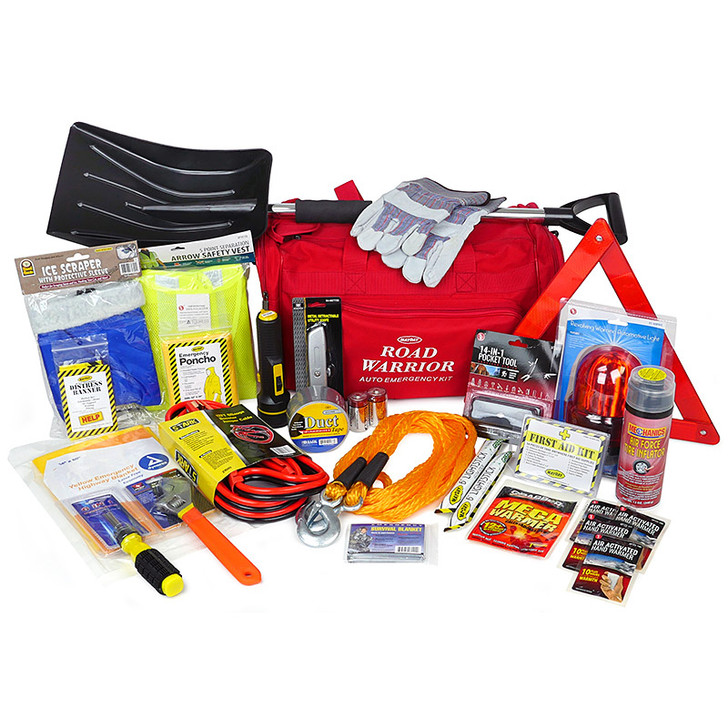
Having a well-prepared emergency kit is essential for every truck driver in winter. If you become stranded, these items can help you stay safe until help arrives. Recommended items include:
- Warm clothing, gloves, hat, and a heavy blanket or sleeping bag
- Flashlight with extra batteries
- Non-perishable food and drinking water
- Snow brush, ice scraper, and a small shovel
- Tire chains or approved traction devices
- Jumper cables or a portable jump starter
- First aid kit and any personal medications
- Phone charger and power bank
- Sand, cat litter, or traction mats
It is also smart to keep your fuel tank at least half full at all times to prevent fuel lines from freezing. Many professional drivers carry a small safe heater and additional supplies in case they are stuck for several hours.
The National Highway Traffic Safety Administration (NHTSA) recommends that all drivers, including those operating large commercial vehicles, carefully check weather and road conditions before traveling and plan extra time for winter trips.
Route Planning and Making Smart Decisions
Good winter trucking begins with proper planning. Before departure, check weather forecasts and road conditions for your entire route. Pay special attention to mountain passes, which can close suddenly due to severe weather. Always have an alternative route ready in case your main path becomes impassable.
If conditions become dangerous while driving, do not hesitate to stop. Many companies now support drivers who decide to pull over when safety is at risk. The load can wait — your life and the safety of other road users cannot be replaced.
Final Recommendations
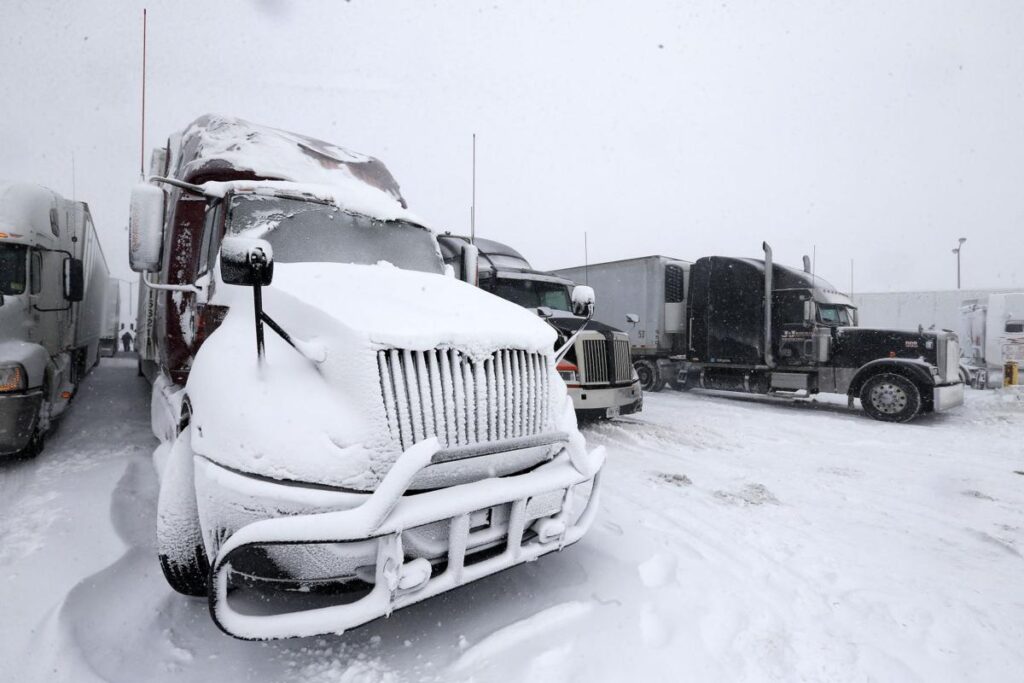
Safe winter truck driving depends on three main factors: proper vehicle maintenance, careful driving techniques, and carrying the right emergency equipment. Drivers who respect winter conditions and prioritize safety significantly reduce their chances of accidents and breakdowns.
By treating winter driving as a completely different skill set rather than just cold-weather driving, professional truckers can handle even difficult conditions responsibly and return home safely at the end of their trip.