
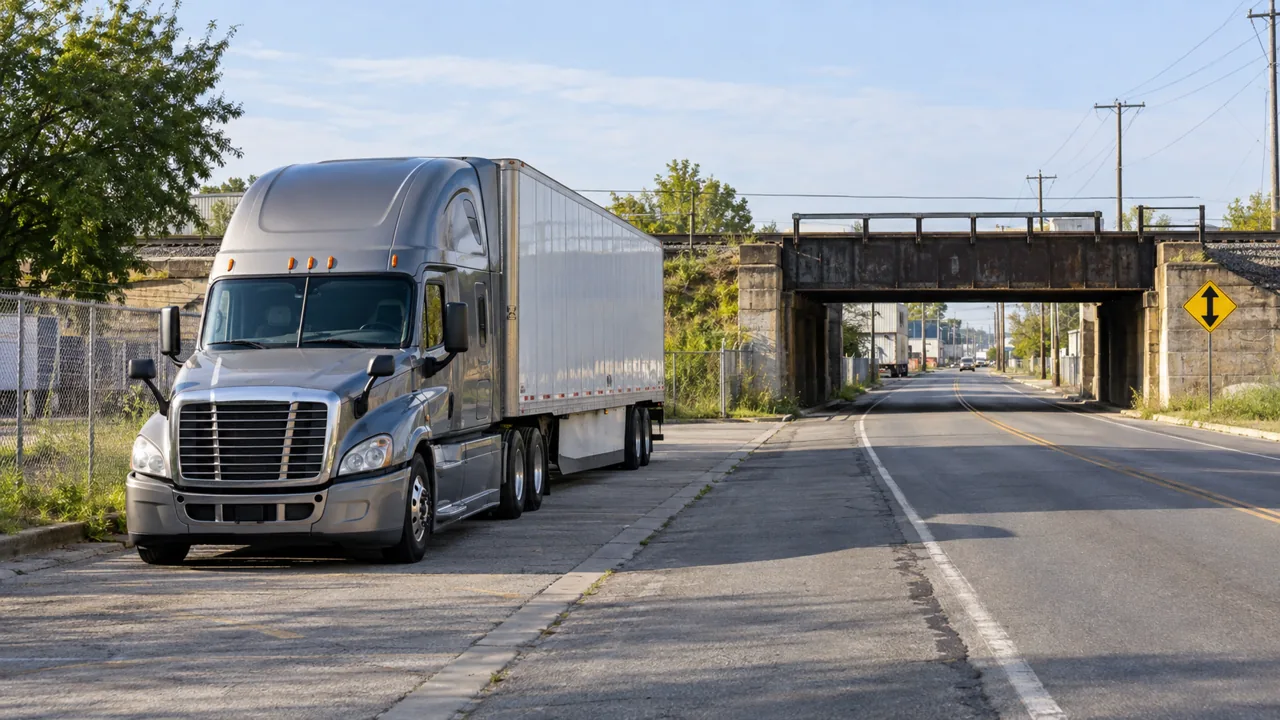
A refrigerated trailer assignment can involve several different requirements: the condition of the equipment, the shipper's cleanliness expectations, load instructions, and the records needed at pickup. A deliberate confirmation before arrival helps the driver identify what is required without assuming that one previous shipment establishes the standard for the next.
Get the current load instructions
Read the approved assignment and identify who can clarify the shipper's requirements. Check whether a specific inspection, service, or record is required before pickup. Do not substitute a remembered routine for an instruction that applies to a different commodity, customer, or trailer.
Food-transport requirements involve responsibilities beyond a driver's visual check. The FDA's sanitary-transportation information provides official context. Apply the carrier's and shipper's actual procedures and training to the load; this article does not establish a universal washout or acceptance standard.
Review the equipment through the approved process
Confirm the trailer identity and complete the inspection required for the assignment. Report visible residue, damage, unusual odor, or another concern in the terminology and system your carrier uses. Do not enter or work in an area that is unsafe or outside the applicable procedure.
Keep equipment condition and cargo-handling instructions connected without treating them as the same question. A trailer can have an unresolved mechanical concern even when its interior appears clean, and a service record does not establish that all load-specific conditions have been met.
Verify the required service and documentation

If a cleaning or other service is required, confirm the approved provider, process, and proof the shipper expects. Record which trailer the document relates to and preserve it in the carrier's system. Resolve a missing or inconsistent reference before treating the record as complete.
Do not use unapproved products or improvise a cleaning method because a facility is about to close. Bring the timing problem to the responsible carrier contact. Instructions concerning chemicals, equipment, access, and personal protection need to come from the appropriate procedures and qualified people.
Plan the approach and waiting arrangement
Check the truck entrance, appointment, and designated waiting area while safely parked. The FMCSA's unfamiliar-roadway guidance is a useful reference when a new service stop or receiving site changes the route.
If the shipper raises a concern at arrival, record what is stated and contact the carrier through the approved channel. Avoid arguing from a document that may not answer the particular question. Clarify which requirement is disputed and who is responsible for directing the next action.
Keep the handoff traceable
Connect the trailer identity, relevant service record, observed concerns, and current instructions with the load. Report any unresolved question before proceeding to the next step. Keep the record factual and avoid promising that a general visual observation certifies the trailer for every possible product.
A useful pre-pickup routine is therefore a confirmation process: understand the load's requirements, inspect within the approved procedure, obtain the required service evidence, and resolve discrepancies through the right people. It gives the driver a clearer assignment without replacing the responsibilities of the carrier or shipper.
Related reading: How Truck Drivers Can Avoid Low Bridges and Clearance Traps